
From Claim Intake to Informed Decisions: Where AI Can Improve Claims Operations
How better evidence preparation and coordination can help claims teams progress work with greater clarity for customers.
In this article
A claim is a sequence of decisions supported by information that arrives at different times. The initial notification, policy records, photographs, reports and correspondence may each add part of the picture. Someone must establish what is relevant, what remains uncertain and what the next step should be.
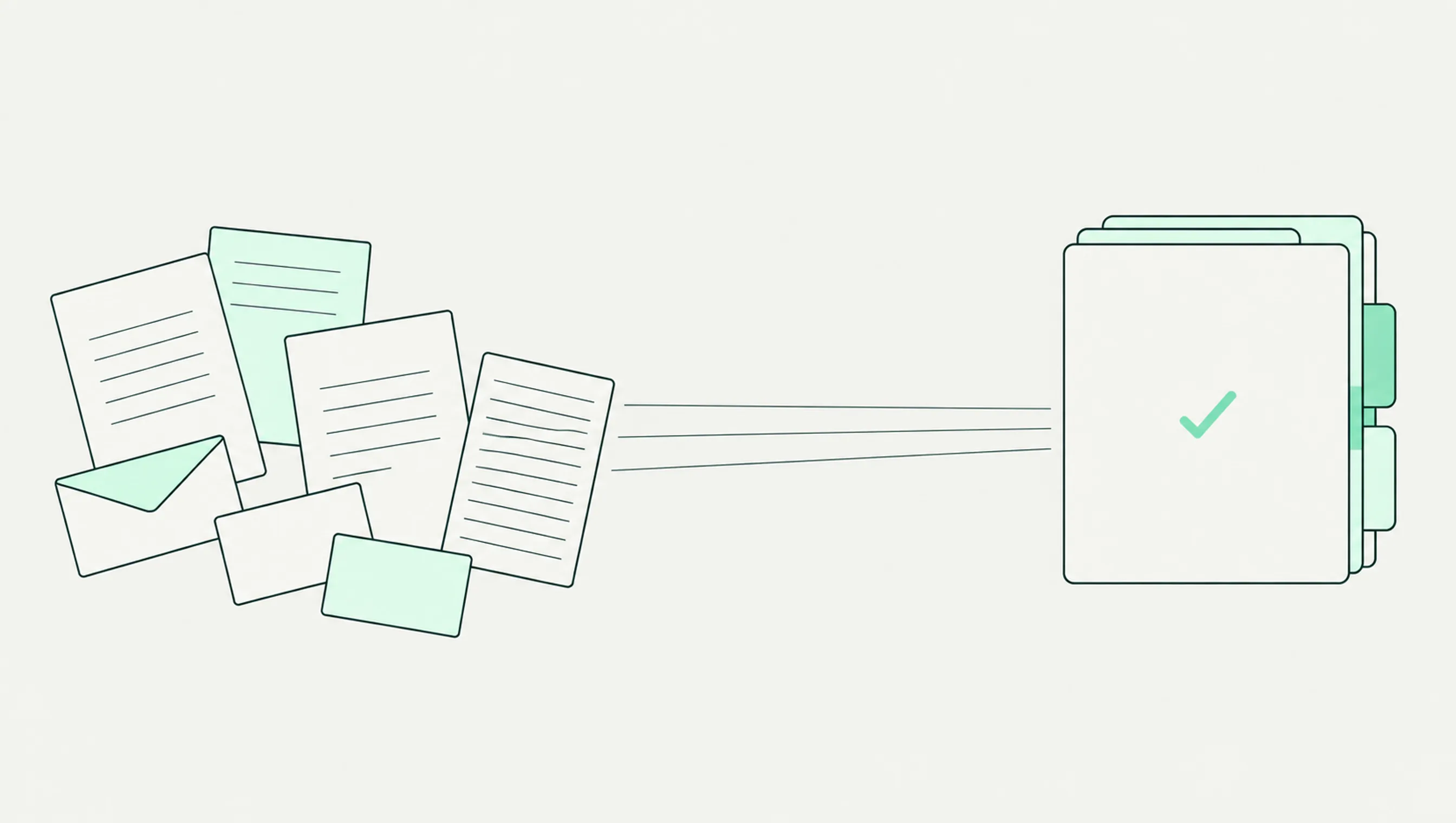
AI can reduce the effort involved in assembling that picture. It can help organise incoming material, prepare chronologies and identify unanswered questions. The value becomes visible when the claims team can act on a more complete file and communicate the next step clearly.
For insurers, claims administrators and assessing organisations, the opportunity is to improve the flow of evidence and work while preserving the distinction between information preparation and an authorised claims decision.
Key takeaways
- Start with the completeness, traceability and movement of claim information rather than a general promise of automated settlement.
- Design customer contact and professional review alongside the preparation workflow, including the handling of uncertainty.
- Measure total handling effort, avoidable delay and decision quality; lower payments alone are not evidence of better claims performance.
1. Define the Claim Outcome Being Improved
A claim may be delayed by missing evidence, waiting for a report, an unresolved policy question or a queue for review. Each problem calls for a different intervention. The first task is to identify where the process loses time and why.
Choose an outcome meaningful to both the team and the customer. Examples include fewer repeated requests, earlier recognition of missing information or more reliable communication about the next action. These can be assessed without assuming that every claim should proceed at the same speed.
Complexity matters. A straightforward claim and one involving disputed facts require different work. A credible business case recognises that variation instead of treating every additional day as avoidable delay.
2. Make the Evidence Easier to Assemble
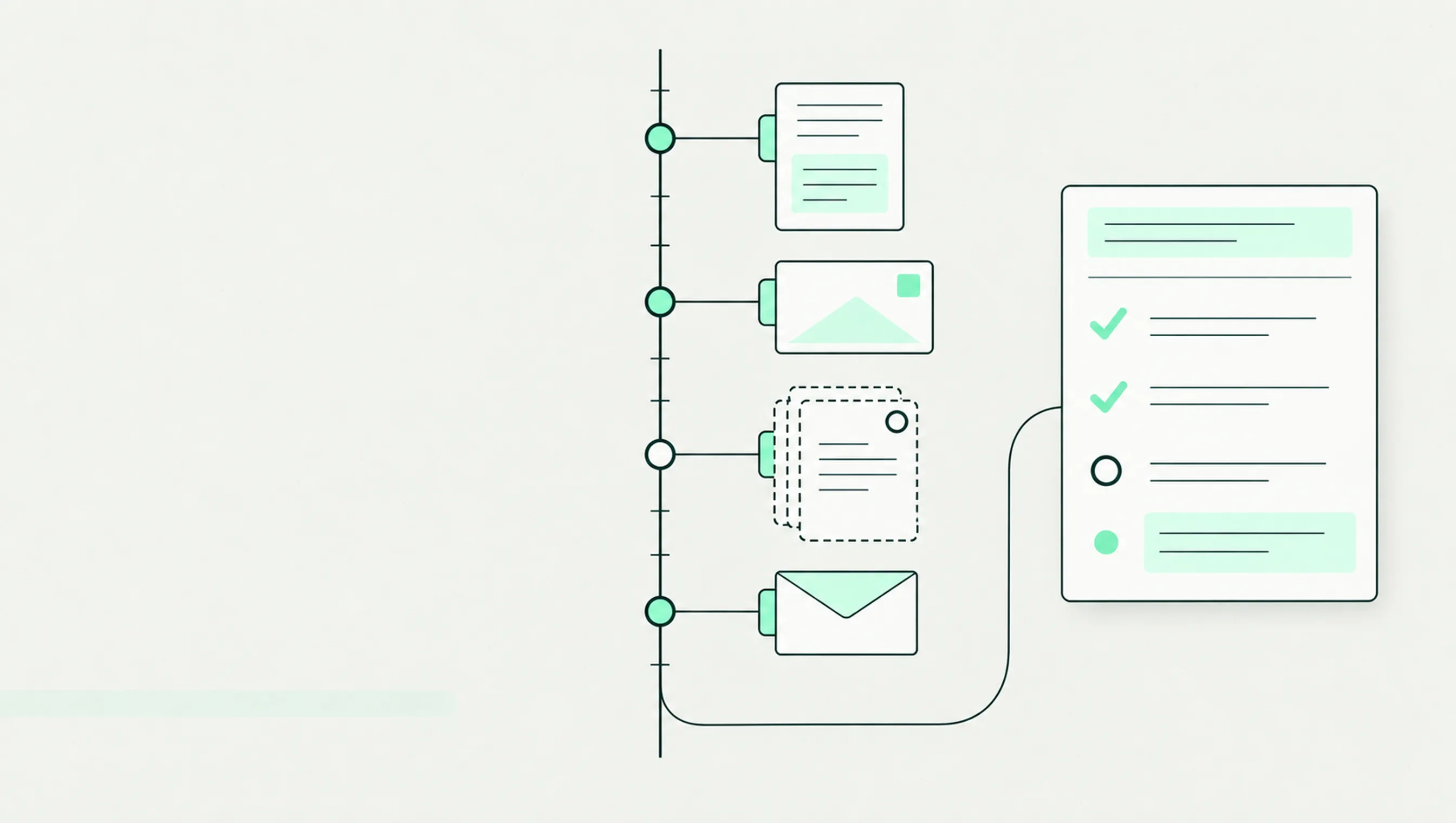
Create a clear record of what has arrived, which claim it belongs to and what source it came from. Preserve dates and versions so the reviewer can distinguish an initial account from a later clarification.
AI can classify documents, extract relevant fields and prepare a chronology. The original material should remain accessible, with material statements linked to their sources. A summary is a working aid, not a replacement for the evidence.
The process should also distinguish reported facts from established findings. A claimant's description, an assessor's observation and an insurer's recorded decision have different roles in the file. Combining them into one narrative without attribution can create false certainty.
Unreadable material or uncertain matches should remain visible. A scanned report that cannot be processed reliably should generate an assigned review task rather than disappear from the completeness check.
3. Prepare the Next Decision, Not Just Another Summary
A useful claims brief explains what is known, what remains unresolved and which action could move the case forward. It should be tailored to the stage of the claim rather than grow into an increasingly long summary of everything received.
Exhibit 1. A proposed claim review brief
| Component | Prepared information and professional contribution |
|---|---|
| Event chronology | Dated statements and documents with source links. Resolve contradictions and assess their significance. |
| Applicable records | Relevant policy version and recorded endorsements. Interpret the terms in the context of the claim. |
| Evidence status | Received, outstanding and unreadable material. Decide what further information is necessary. |
| Open actions | Reports requested, responses awaited and assigned tasks. Prioritise the next action and remove avoidable delay. |
| Customer communication | Last confirmed update and outstanding questions. Explain the status accurately and handle sensitive matters. |
Illustrative preparation framework. It does not determine coverage, liability or settlement.
Consider two documents that report different dates for an event. The system can flag the difference and show the relevant passages. The claims professional determines whether clarification is required and what the discrepancy means. A document inconsistency alone should not become a fraud allegation or an adverse decision.
4. Reduce Repeated Requests and Unclear Waiting
Before requesting information, check whether it has already been supplied through another channel. A claimant, broker, assessor and service provider may each have contributed material that is not yet linked to the same task.
AI can help identify likely matches and prepare a consolidated view of outstanding items. Staff should confirm that the request is necessary, understandable and appropriate to the current stage.
A waiting state should identify what the team is waiting for and who will follow it up. “Awaiting information” provides little operational guidance when it does not specify the document, request date or next review.
The customer also needs a realistic account of the next step. Communications should distinguish receiving information from accepting a claim, and a proposed timeframe from a confirmed commitment. Where the process encounters uncertainty, a clear explanation is more useful than an automated message that implies progress has occurred.
5. Match Automation to the Consequence of the Action
Some activities can be tightly bounded: recording receipt of a file, assigning a known document type or preparing a draft update. Others require more contextual interpretation and have greater consequences for the customer.
Assess each action on its own terms. Where automation proceeds under approved decision rules, those rules need appropriate validation, authority and monitoring. Introducing AI-assisted preparation should not silently expand the system's ability to make or execute claims decisions.
Human involvement should be purposeful. A reviewer needs the evidence, time and authority to question the output. Requiring an approval click without supporting meaningful review can create the appearance of oversight while adding little value.
Design escalation for sensitive circumstances and complex interactions. Customers may need an explanation, an alternative communication method or a person who can understand the broader situation. The service should make that route accessible rather than require the customer to persist through an automated sequence.
6. Measure Quality and Effort Across the Claim
A pilot should include comparable claim types, a representative range of complexity and cases that require the system to stop or request help. Establish the baseline before measuring improvement.
Exhibit 2. Proposed claims-operation measures
| Measure | What it helps establish |
|---|---|
| Preparation and review effort combined | Whether the work has been reduced or transferred. |
| Avoidable repeated information requests | Whether the file is being used effectively. |
| Time in unresolved waiting states | Where ownership or external dependencies constrain progress. |
| Material errors and missed evidence | Whether prepared outputs support sound review. |
| Customer understanding and repeat contact | Whether communication explains the actual next step. |
| Reopened work and corrected decisions | Whether apparent speed creates downstream rework. |
Proposed measures. Claims outcomes require interpretation in the context of policy terms, evidence and case mix.
Changes in paid amounts are not sufficient evidence of improved claims quality. An operational programme should support accurate and appropriate outcomes, not create an incentive to reduce payments irrespective of the merits of the claim.
7. Use Claims Insight to Improve the Wider Business
Claims work can reveal recurring gaps in information, product explanations or service coordination. Once reviewed and appropriately aggregated, those findings may inform underwriting questions, distribution training or clearer customer communication.
The feedback process should distinguish individual circumstances from a repeatable pattern. A small number of unusual claims does not establish a systemic issue. Claims, product and risk specialists need to evaluate the evidence before changing guidance.
A well-designed AI capability can make that learning easier to prepare while improving the day-to-day file. Its value is a claims team with clearer evidence, fewer avoidable handoffs and a more dependable way to tell the customer what happens next.
Improve a Defined Part of the Claims Journey
Bring a claims intake, evidence review or communication workflow to a discovery conversation with SENNSE. We can explore where preparation and coordination create friction and how to test a focused improvement.