
From Tender Documents to a Review-Ready Bid: Where AI Can Help
How construction businesses can organise requirements, track changes and give estimators more time to assess scope and commercial risk.
In this article
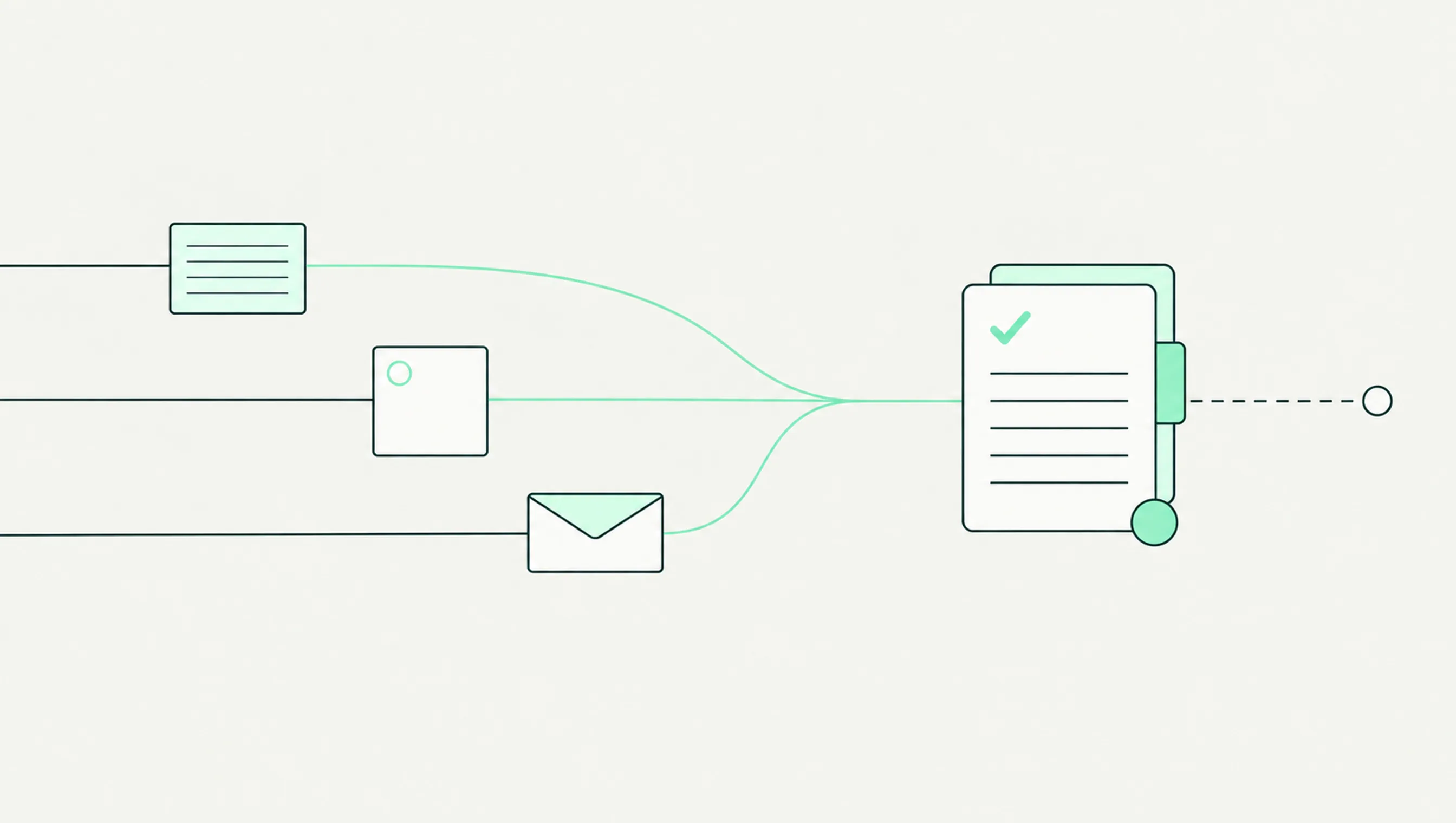
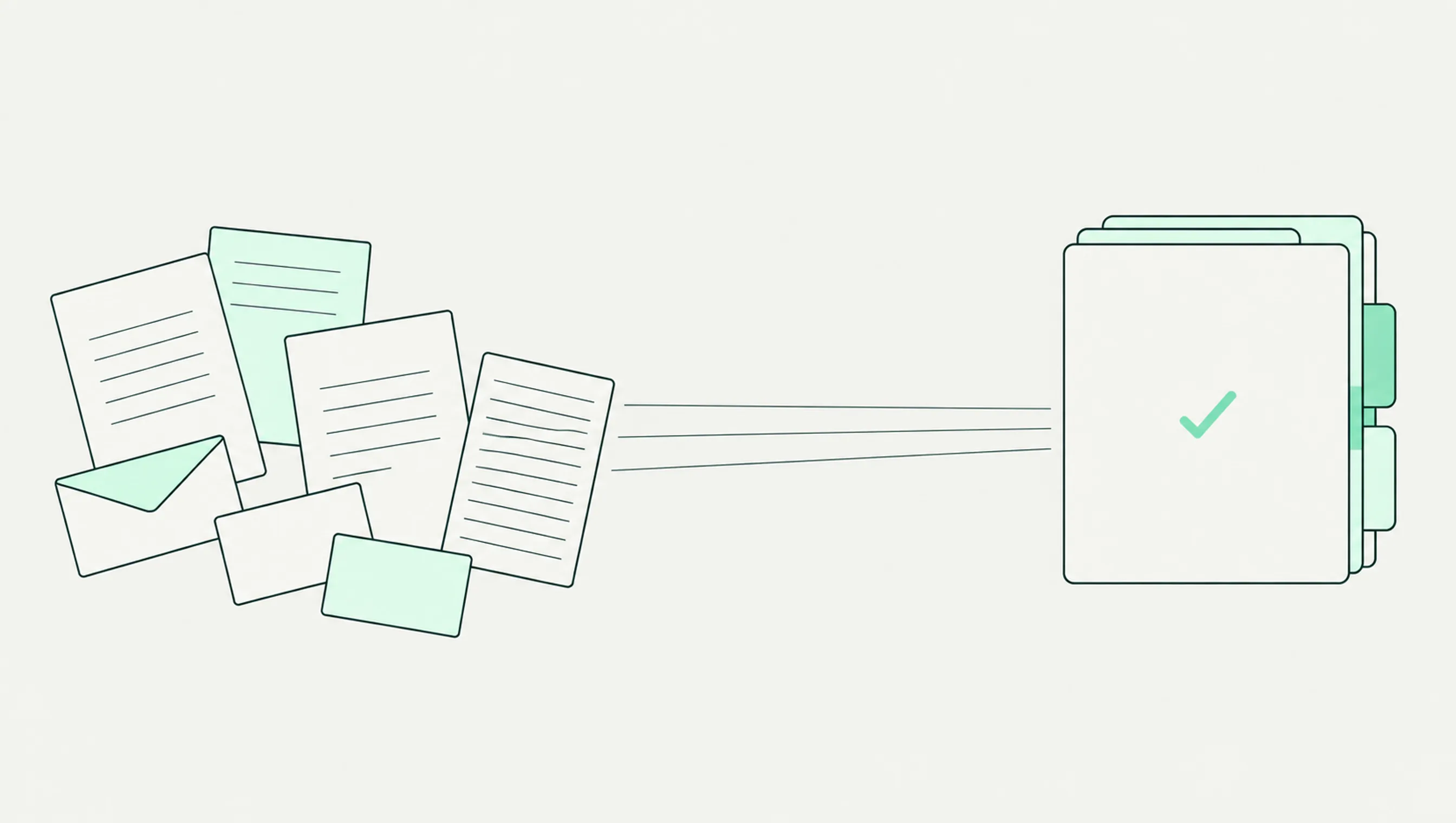
A tender arrives as a collection of documents. The business must turn it into a coherent view of scope, obligations, exclusions, delivery requirements and price. That interpretation is where the bid begins to take shape.
AI can assist with reading and organising the material, but the value depends on whether the result helps the estimating team make better-informed decisions. A faster first draft is useful only when the team can verify what it includes, identify what it has missed and understand which version of the tender it reflects.
For a construction business, the practical opportunity is to make the evidence behind the bid easier to work with, from initial review through the final submission.
Key takeaways
- Use AI to prepare requirement registers, identify gaps and trace changes across the tender pack.
- Keep quantities, pricing, technical interpretations and commercial commitments subject to the appropriate professional review.
- Measure preparation effort and bid completeness, while treating win rate and margin as outcomes influenced by many factors.
1. Define What a Review-Ready Bid Requires
Before introducing AI, agree on what the estimating team needs to assess an opportunity. The answer may include a scope breakdown, mandatory response items, clarification questions, supplier dependencies and a register of assumptions.
A useful first objective is reducing the effort needed to establish a complete, traceable view of the tender. That gives the team more time to investigate ambiguous requirements and assess whether the opportunity fits the business.
It also creates a clear boundary. Preparing evidence for an estimator is different from deciding the bid price or accepting a contractual obligation.
2. Establish the Tender Pack and Its Versions
Tender material can include specifications, drawings, schedules, contract documents, response forms and subsequent addenda. Before interpreting the content, establish which documents belong to the opportunity and which versions are current.
Create a register with document identifiers, issue dates, revisions and the source of each file. When new material arrives, record what it supersedes and which parts of the bid may need review. Preserve earlier versions so changes can be investigated.
AI can assist with classifying documents and identifying references between them. It should not silently choose between conflicting requirements. Where a document hierarchy is relevant, the team's authorised reviewers need to establish how it applies to the particular tender.
Scanned drawings, handwritten notes and unusual tables may require different handling from ordinary text. The process should make unreadable or unprocessed material visible rather than imply the entire pack has been analysed successfully.
3. Build a Requirement Register with Evidence
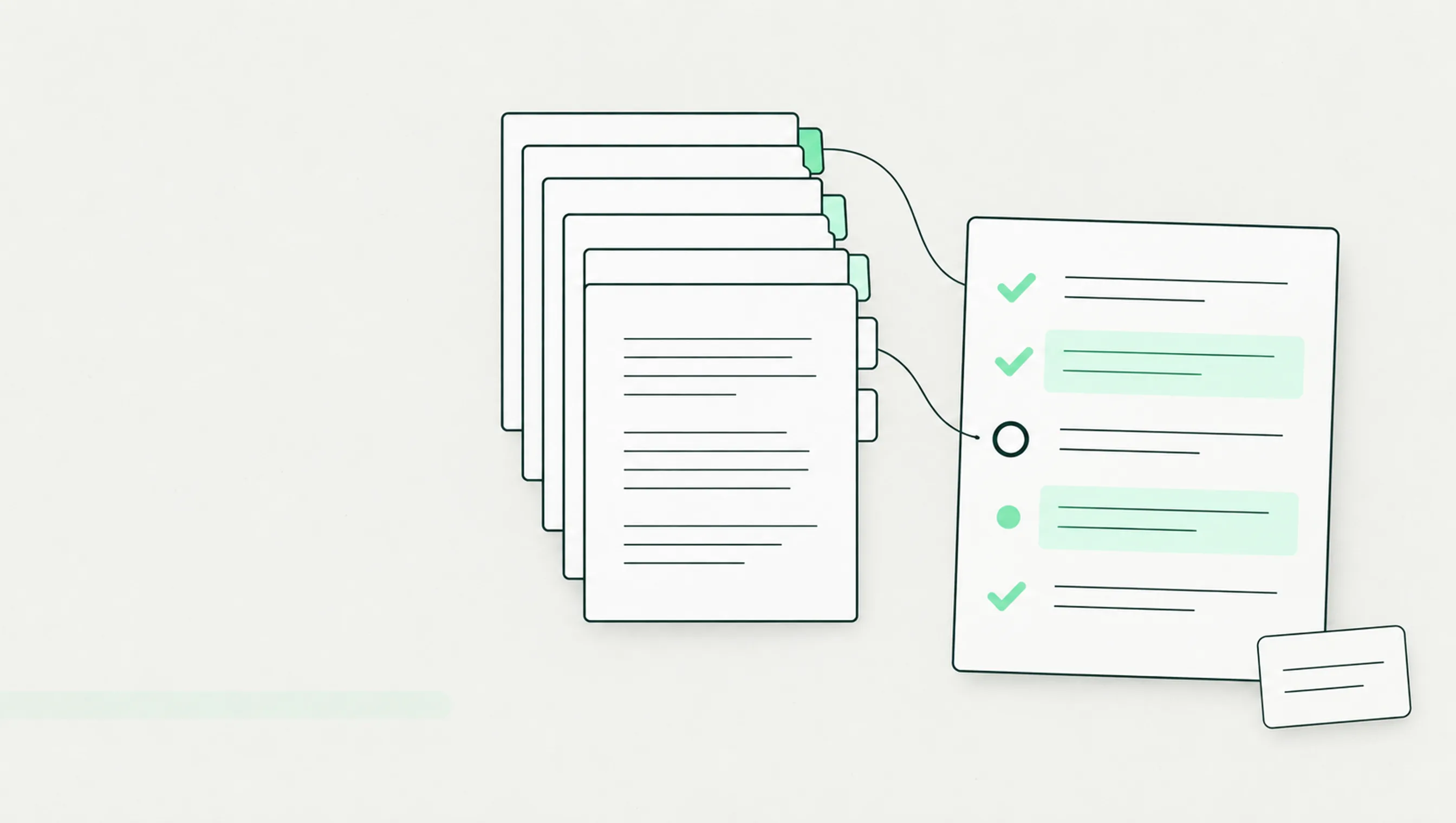
A requirement register translates the tender into work the bid team can assign. Each item should describe what is requested, identify its source and show who owns the response or clarification.
AI can draft that register by extracting requirements and grouping related items. Reviewers should check important obligations against the original material, especially where the same subject appears in several documents.
Exhibit 1. A proposed tender requirement register
| Requirement type | Prepared output and review responsibility |
|---|---|
| Submission instructions | Deadlines, format requirements and mandatory attachments. Bid coordinator confirms the response plan. |
| Technical scope | Source-linked items and apparent gaps or conflicts. Estimator and relevant technical specialists assess interpretation. |
| Programme requirements | Milestones, access constraints and stated dependencies. Delivery team reviews feasibility and assumptions. |
| Commercial provisions | Clauses flagged for consideration and clarification. Authorised commercial or legal reviewers assess their effect. |
| Supporting evidence | Requested credentials, project examples and schedules. Response owner verifies relevance and currency. |
Illustrative register. Extraction does not establish compliance with the tender or acceptance of its terms.
The register becomes useful when it is maintained through the bid. A requirement marked “addressed” should link to the relevant response, evidence or approved qualification. This gives reviewers a practical way to check completeness before submission.
4. Use AI to Expose Questions Before Drafting Answers
An incomplete requirement is a reason to investigate. If a specification calls for equipment but the corresponding schedule is unclear, the system can flag the gap and prepare a clarification question. It should not fill the gap with a plausible assumption and present it as fact.
The estimating team should decide which questions need to go to the principal, which can be resolved internally and which require supplier input. Assign dates so the clarification process supports the bid programme.
Drafting can then use approved content and verified information. Previous project examples, method statements and company credentials may provide useful starting material, but their applicability must be checked. A successful approach from an earlier job may not suit the current scope or conditions.
Consider a request for a project example demonstrating work in an occupied facility. AI can locate a candidate from an approved library. A person needs to confirm the facts, relevance and permission to use it. The document's polish should never substitute for evidence of the claimed experience.
5. Reconcile Addenda and Supplier Inputs
A late addendum can change several parts of a bid at once. The document register should trigger a review of affected requirements, estimates, programme assumptions and supplier requests.
AI can prepare a change summary with links to the earlier and revised text. The team then determines the commercial and delivery implications. Text comparison alone cannot establish that a change is immaterial.
Supplier quotes also need deliberate reconciliation. A quote may exclude an item included elsewhere, use a different quantity basis or depend on a lead time that conflicts with the proposed programme. Preparing these differences for review can reduce repeated manual searching.
Exhibit 2. An illustrative change review
| Incoming change | Preparation support and required team action |
|---|---|
| Revised equipment specification | Identify affected requirements and quote references. Confirm scope and request revised supplier information if needed. |
| New access restriction | Flag programme assumptions linked to the restriction. Review sequencing, resources and price implications. |
| Updated response form | Identify added or changed response fields. Reconcile the final submission against the current form. |
Proposed workflow. Impact on cost, programme or contractual position requires appropriate review.
6. Preserve Estimating and Submission Discipline
Quantity take-offs, rate calculations and pricing decisions should remain in the approved estimating process. AI-generated text can describe assumptions, but it should not become the source of an unverified quantity or commercial commitment.
Before submission, the bid owner needs a clear view of unresolved questions, qualifications and approvals. Any remaining uncertainty should be handled through the firm's bid process rather than hidden in a completed-looking draft.
The final check should confirm the document versions used, the status of mandatory responses and the consistency of scope, price and programme. External submission should remain a deliberate authorised action, with a record of the material actually sent.
This discipline is especially important when different people prepare sections in parallel. A shared register helps coordinate their work, but a responsible reviewer still needs to assess the complete offer as a coherent commercial proposal.
7. Measure Preparation Quality Before Claiming Growth
Pilot the workflow on a defined class of tenders. Compare the effort spent establishing requirements, tracking changes and preparing response material with a representative baseline. Include the time needed for checking and correction.
Track material omissions, late rework, unresolved clarification items and the proportion of the pack successfully processed. These measures help determine whether the approach improves readiness for review.
Win rate and project margin can be monitored over time, but they depend on competition, pricing, opportunity selection and delivery performance as well as bid preparation. A small pilot cannot isolate an AI effect on those outcomes.
The immediate objective is a bid team that can find the evidence, identify the questions and make informed decisions with less avoidable administration. That provides a credible foundation for extending the workflow to additional tender types.
Assess Your Tender Preparation Workflow
Bring a typical tender process to a discovery conversation with SENNSE. We can explore where document review and coordination consume time, which decisions remain with the estimating team and how to measure a focused first pilot.